I Still Need My Mother
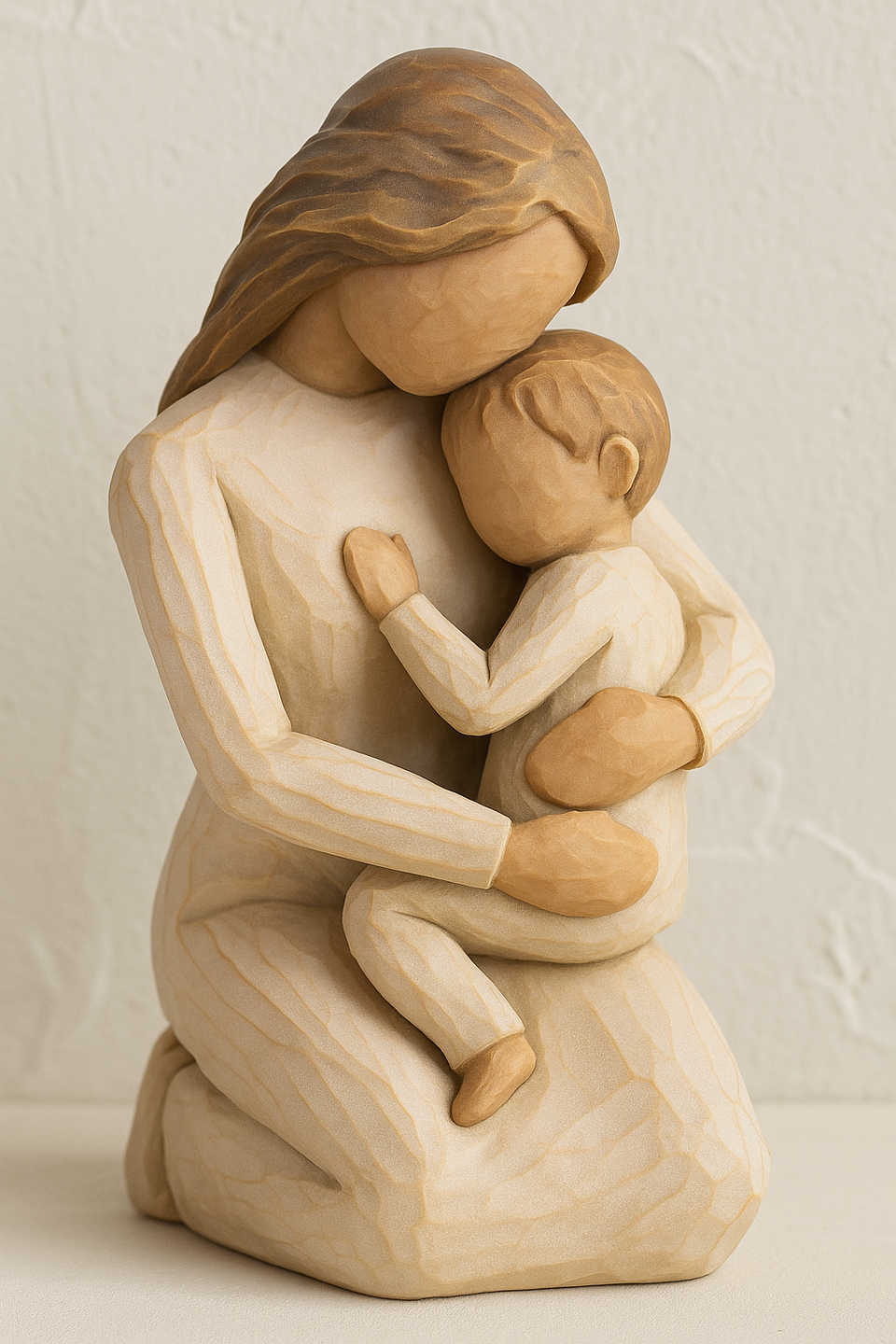
Dearest Graduates,
Since the Process, I’ve struggled with the idea of connecting with my mother. I’d read some of your emails about reconnecting with your parents and think, “I need to call my mother…” But I wouldn’t.
I knew I had a lot of resistance, but I wasn’t sure why. I hadn’t planned to tell her about the Process or what I’ve gone through—I’ve never wanted to burden her with my pain. But I can see now that I was avoiding even simple conversation. And eventually, I understood why.
Growing up, I was always self-sufficient. The caretaker. The protector of my mother. I’ve always been a doer. Even as a small child, I wasn’t paralyzed by the nightly violence at the hands of my father. I’d either run the neighborhood looking for help or plead with him to stop. Sometimes he would. Sometimes not.
I started working at 12, got my first “real” job at 15, and was on my own by 17. I finished my third degree in three years, all while on active duty in the Air Force.
Even as a child, I felt the burden she carried—being stuck with a man who violently unleashed his rage and turmoil onto his family, while she tried to survive in a foreign land with three kids to feed. I learned not to be a burden by giving myself the things I didn’t get.
Maybe being a self-sufficient child didn’t allow my mother to see I had needs. Or maybe, when life and death are at stake and survival is on the line, tending to a child’s emotions becomes a lesser priority. I don’t know.
The thing is—as you all know—our needs don’t disappear. They can’t be shut off or buried forever. Not with food, alcohol, work, over-achievement, accolades, or relationships. Those deep needs resurface. They always do, no matter how hard we try to lock them away in the hidden corners of our hearts.
I reflected on all we did during the Process—the exercises in accusation, the expression of past hurts and anger, the memorial with our parents. The journey I went through.
How can I connect with her, share this part of myself, this journey and knowledge, without blame—or without glossing over my own needs?
How can I honor myself and the needy emotional child that was neglected?
I still need my mother.
She called me. We finally spoke. I told her about my journey. She listened. She acknowledged her pain—how she’d had to choose neglecting her child in order to survive. She thanked me for my self-sufficiency and told me her side: her need to stay strong, her belief that work mattered more than presence, her desire to free us from the burden of caring for her. “You’ll understand when you're older,” she said. “When your daughters have their own families.”
Isn’t life funny? The circles we put ourselves in?
I got off the phone with sadness, but also with acceptance. I let myself cry. Let myself feel. I gave myself permission to mourn some more.
It’s my responsibility to discern what I need—for my happiness, health, healing, and well-being. And it’s my responsibility to pursue those needs.
Wherever you are, whatever you are doing, know that mine and all the other graduates' Spiritual Selves are with you.
Until next time,
Yong